‘Here to stay’; Hanwha Defence Canada seeks long-term partnership with Canada, says CEO
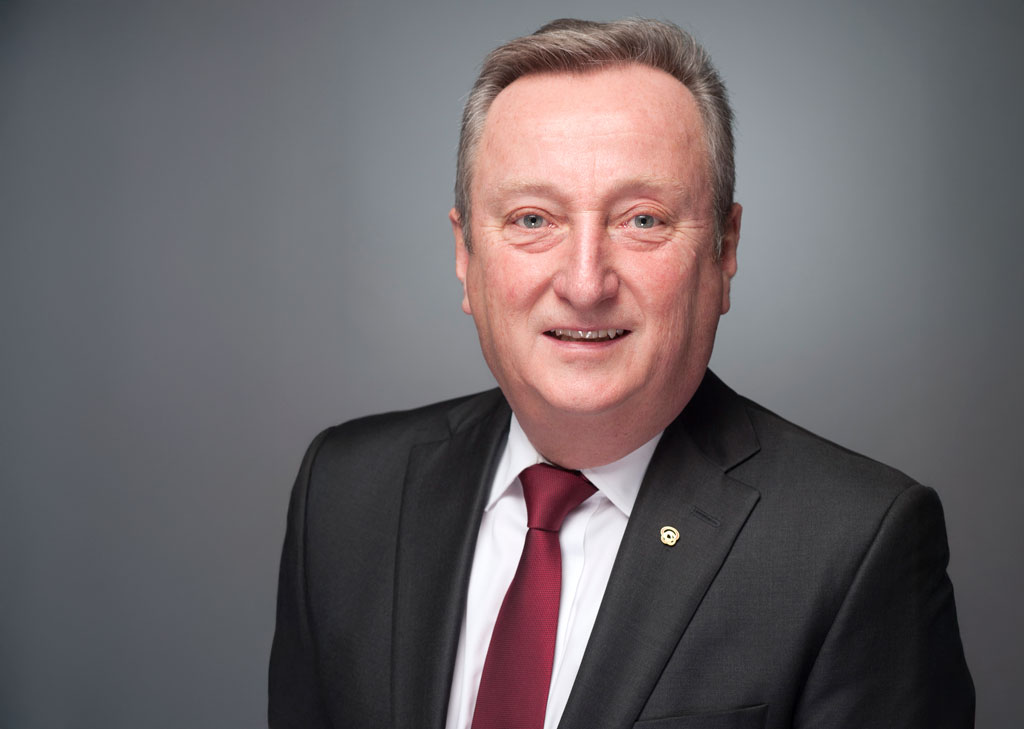
Although Hanwha Defence Canada is vying to secure the federal procurement contract to provide Canada with a new submarine fleet, the South Korean company views its entry into the Canadian market as the beginning of a partnership that has potential for long-term economic benefits, said CEO Glenn Copeland.
“We believe there’s value in strengthening the relationship with the [Canadian government]… [Hanwha is] here to stay, and they want to be a partner,” said Copeland in an interview with The Lobby Monitor on Feb. 24 in Hanwha’s Ottawa office. “After the submarine program, there’s more opportunity here for us with the K9 [Thunder self-propelled] howitzers and other fighting vehicles as Canada looks to recapitalize its land programs.”
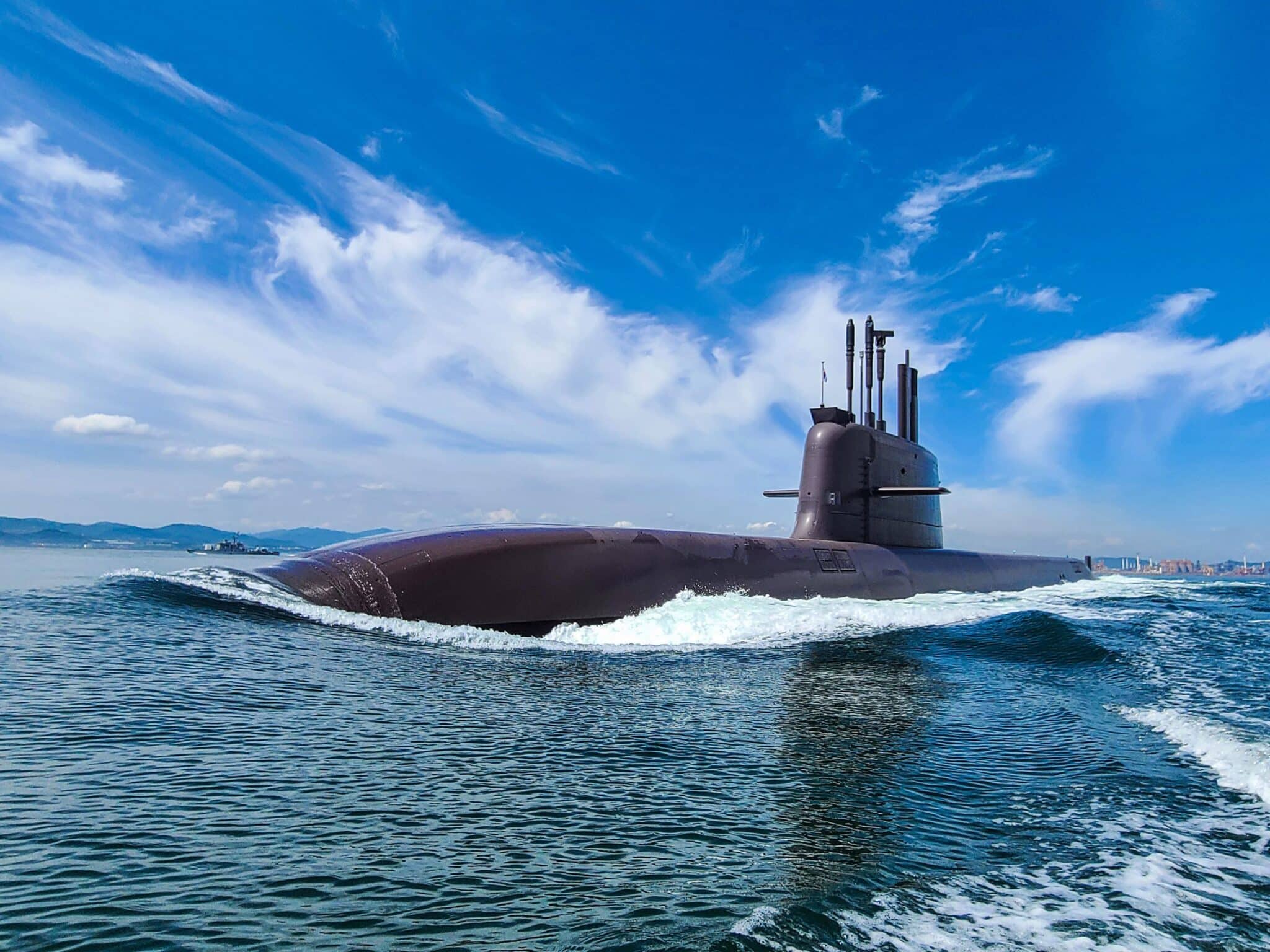
The Canadian Patrol Submarine Project (CPSP) aims to replace Canada’s aging fleet of Victoria III submarines. Hawnha is offering to deliver its KSS-III submarines to the Canadian Royal Navy on time, on budget, and serviced in Canada, according to advertisements across their social media pages and posters around downtown Ottawa.
“We haven’t been here before, admittedly, and so coming in to have people understand who we are [and] what that commitment is, that takes a lot of effort and a lot of convincing,” Copeland said when asked about the company’s recent advocacy efforts.
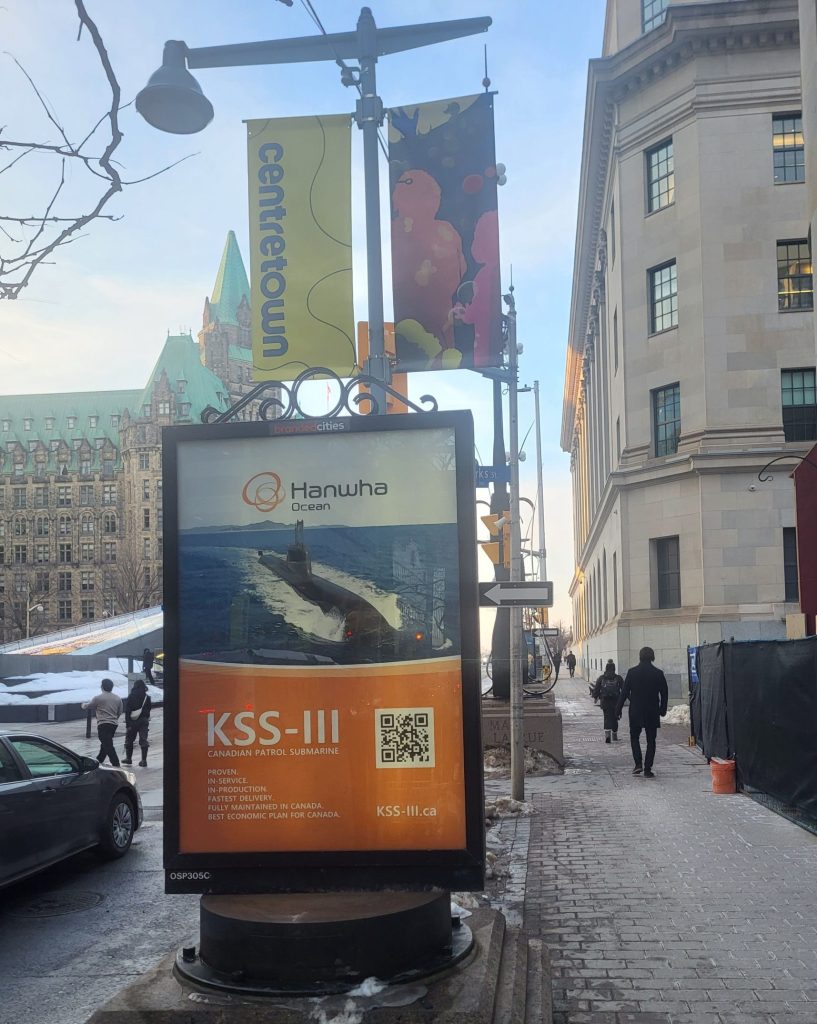
That is why part of that effort included an attempt to reach a wider audience beyond parliamentarians and bureaucrats.
“There is this [effort] to get the public to understand what Hanwha is, and it’s building on the reputation of what Korea is, which is an extremely industrious nation, a real powerhouse of development in engineering,” he said. “Everyone knows Samsung and LG…Hyundai Motors and Kia, those are emblematic of what Korea is in my mind. [Hanwha is] part of that similar culture, and we engineer to the same high standards and they design and build for success.”
A significant portion of Hanwha’s advocacy efforts have concentrated on highlighting its recent investments across the Canadian economy and workforce.
For example, the company signed a memorandum of understanding with Algoma Steel Inc., located in Sault Ste. Marie, Ont., to establish a long-term strategic arrangement. As part of the agreement Hanwha Ocean committed to contributing up to $345 million designed to support facility development and the procurement of Canadian-made steel for CPSP-related submarine construction and MRO infrastructure.
“We’ve got a number of companies that…are strong engineering firms or that have potential to grow inside Canada. Algoma Steel is one of the big companies that we see as an investment for technology transfer,” said Copeland. “We [also] made an announcement with Ontario Shipyards, because we see that there’s a workforce down there, and there’s potential to grow capacity in another shipyard.”
Hanwha Ocean and Ontario Shipyards signed another agreement “to accelerate the return of large-scale shipbuilding in Ontario and to strengthen Canada’s ability to deliver future naval programs.”
In that same press release, Hanwha Ocean, Ontario Shipyards and Mohawk College announced that they entered into a Letter of Intent “to establish an embedded shipbuilding training hub at Ontario Shipyards’ Hamilton facility.”
“One of the things the government will ask you for right now is ‘how do you help us grow the workforce sector,’” said Copeland. “We believe that is absolutely important, because…we can set up a shipyard, but where do we get the specialized, skilled people in shipbuilding and design and material management? You need very special types of welders, very special types of pipe fitters and engineers and acoustic engineers…you have to grow that talent and so that’s part of the investment.”
Copeland told The Lobby Monitor that the main topic of discussion for parliamentarians has been the economic benefit and job growth presented by a potential deal with Hanwha.
“The jobs is where it’s at, especially with things that are happening right now, and the little bit of uncertainty with respect to the trade relationship with the U.S.,” he said. “In our particular solution, we understand the importance of [jobs] to the economy…our investments are centered around that.”
Additionally, Hanwha presents an opportunity to strengthen the trade relationship with South Korea at a time where Prime Minister Mark Carney aims to diversify Canada’s trade relations, said Copeland.
“Canada is recapitalizing in all three domains—Army, Navy, Air Force—certainly on the marine side, you can see the commitment to recapitalizing the fleet, and not just the Navy, but the Coast Guard as well,” he said. “Hanwha recognizes that, with the burgeoning relationship between countries, it is more than just a submarine program. This is a whole-of-government, whole-of-country initiative with their defence supplier, to engage with Canada to basically say, ‘Hey, we’re a partner, and we can be a long term partner.’”
Copeland noted that Hanwha Group, the parent company of Hanwha Defence Canada, is involved in multiple sectors and would be able to contribute beyond Canada’s defence industry.
“There’s more to Hanwha than just the ocean systems,” said Copeland referring to Hanwha Ocean, a sister company which oversees the construction and delivery of the KSS-III submarines. “There’s Hanwha Aerospace, Hanwha Power Systems, Hanwha Energy…Hanwha is a large organization.”
Top stories